Toys, Dolls & Clothing with Limb Difference Representation

← Back to Home

Representation in the things kids play with and wear can be just as meaningful as what they watch or read. Below are toys, dolls, and apparel that celebrate limb differences and help kids feel seen.

Toys & Dolls

American Girl

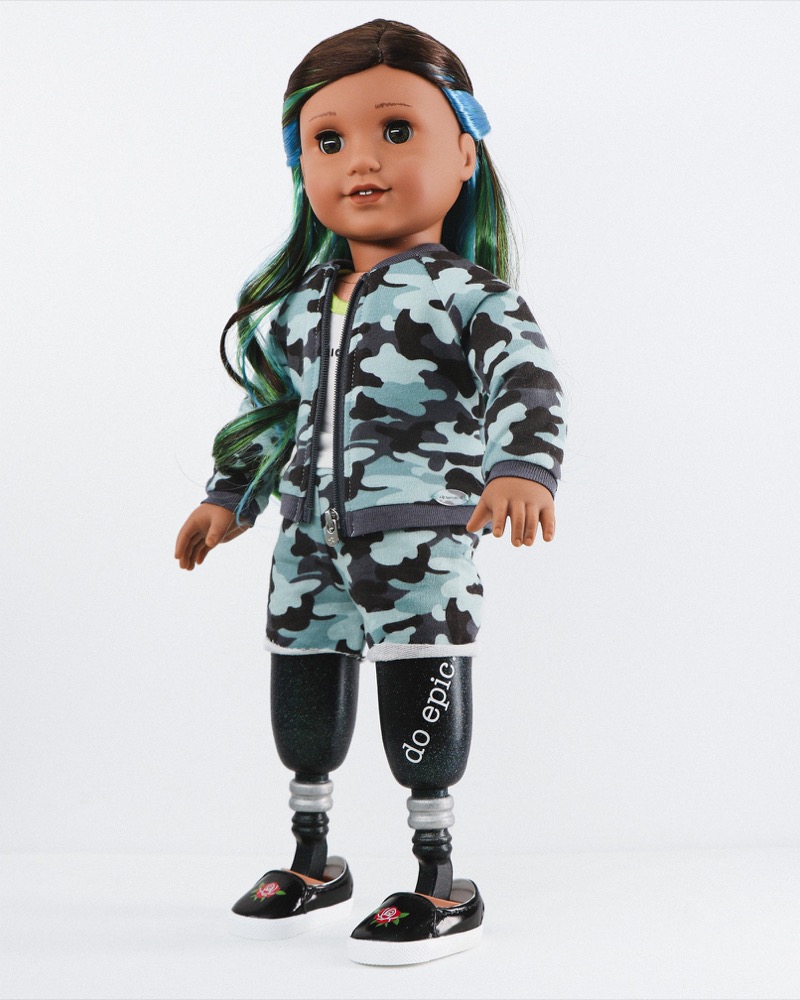
A Step Ahead Prosthetics helps families modify American Girl dolls by adding custom prosthetic legs at no cost. It’s a wonderful way for kids with limb differences to see themselves in the toys they play with.

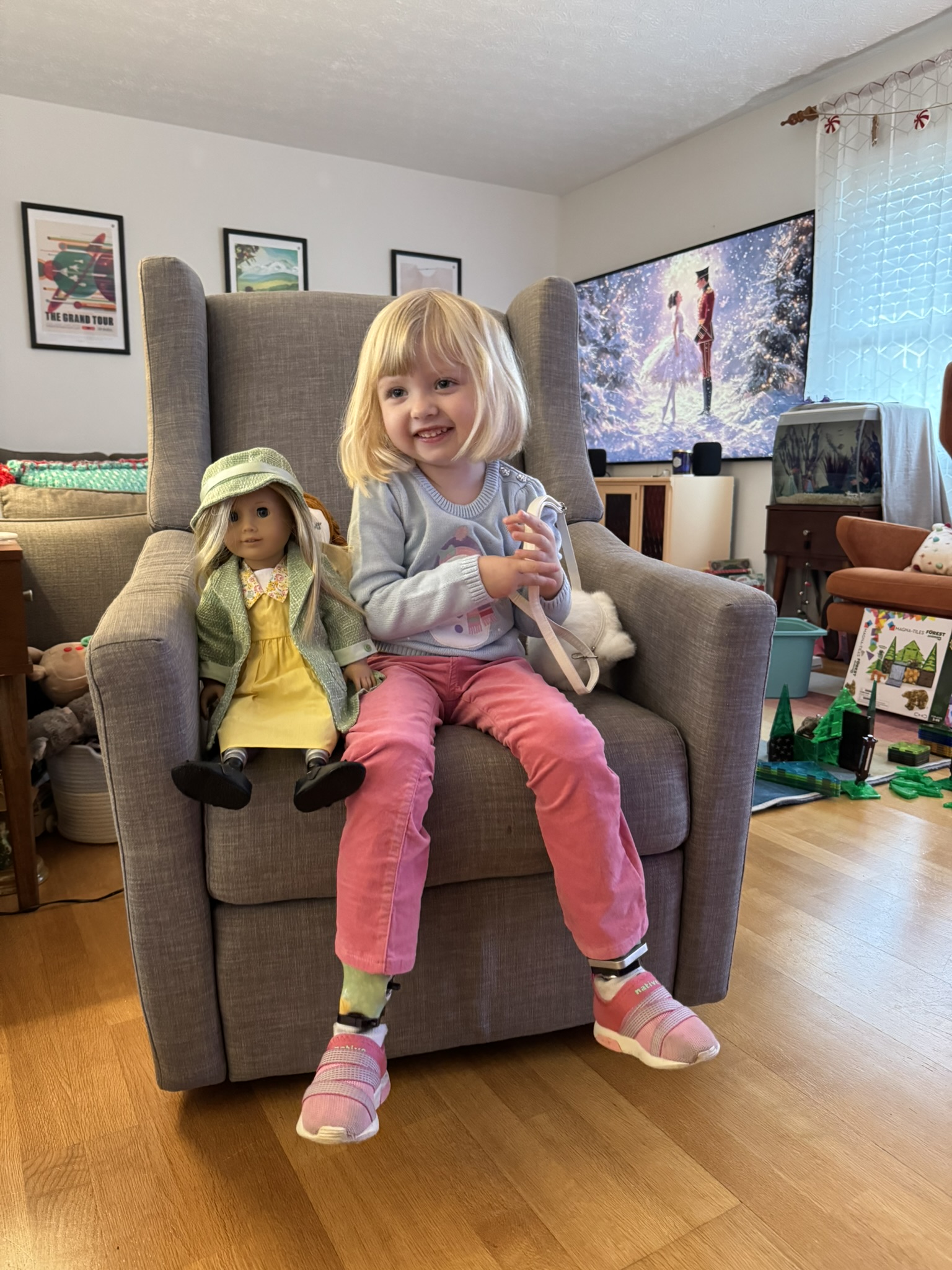
We bought an American Girl doll for Gwen and shipped it to A Step Ahead. Their team added custom prosthetic legs that look amazing and even come off, which makes them extra special. It turned one of her favorite toys into something that truly represents her.

Gwen smiling while holding her American Girl doll with a custom prosthetic leg from A Step Ahead Prosthetics

Gwen with her doll from A Step Ahead Prosthetics

Barbie

Barbie has slowly evolved to reflect a wider range of children and experiences. The first Barbie friend with a disability, Share a Smile Becky, was released in 1997. Becky used a wheelchair and quickly became a hit, though her wheelchair famously did not fit inside the Barbie Dreamhouse. She was discontinued a few years later but marked the beginning of a new era for representation in toys.

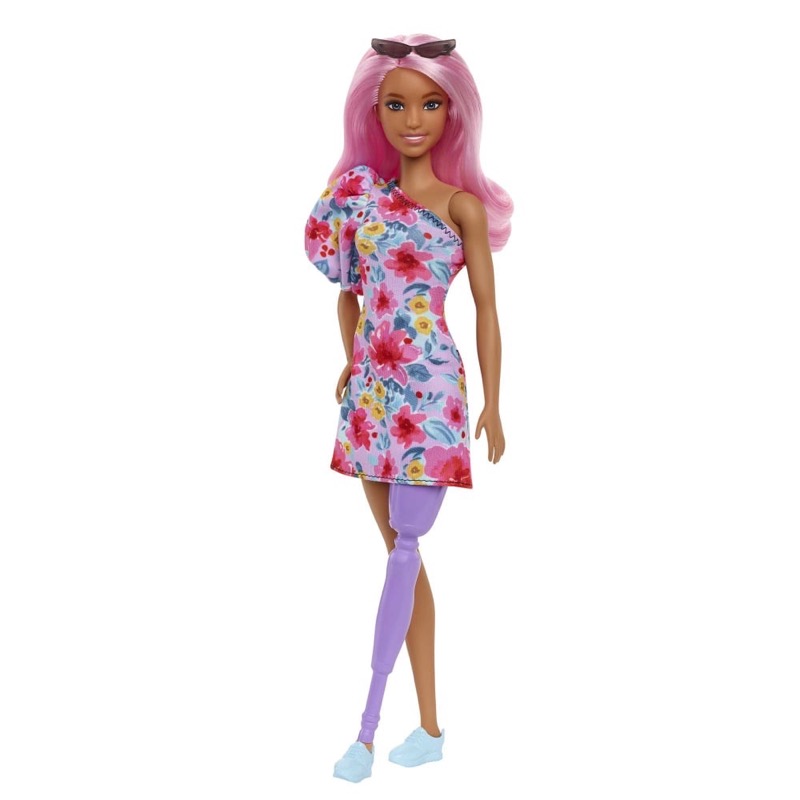
In 2019, Mattel released Barbie Fashionista #121, the first Barbie with a prosthetic leg. That model included a removable leg and was designed with input from prosthetic specialists to make it look and move realistically. Since then, several more dolls have been added to the lineup, including Fashionista #146 (2022) and Ken Fashionista #212 (2023), both featuring prosthetic legs with updated designs. A current option, Fashionista #189 (2022), continues to appear in stores, and Barbie Deluxe Style Doll #2 (2025) introduced a prosthetic leg that bends at the knee for more natural movement. You can also find a prosthetic-leg doll in the careers line: Barbie Careers Interior Designer comes with a prosthetic leg, a tablet, and a design sheet for simple role play. Together, these dolls show that representation is now a regular part of the Barbie brand rather than a limited release.

Mattel has also introduced other inclusive dolls, such as Barbie Fashionista #187 with hearing aids, Fashionista #132 with vitiligo, Fashionista #124 with no hair, and Fashionistas #208 and #229 representing a person with Down syndrome. In 2024, Fashionista #228 joined the collection, featuring a Barbie with a visual impairment, complete with a white cane and braille packaging. These additions help make the Barbie world more reflective of the real one and offer kids more ways to see themselves and their friends in the toys they play with.
Mayana & Friends

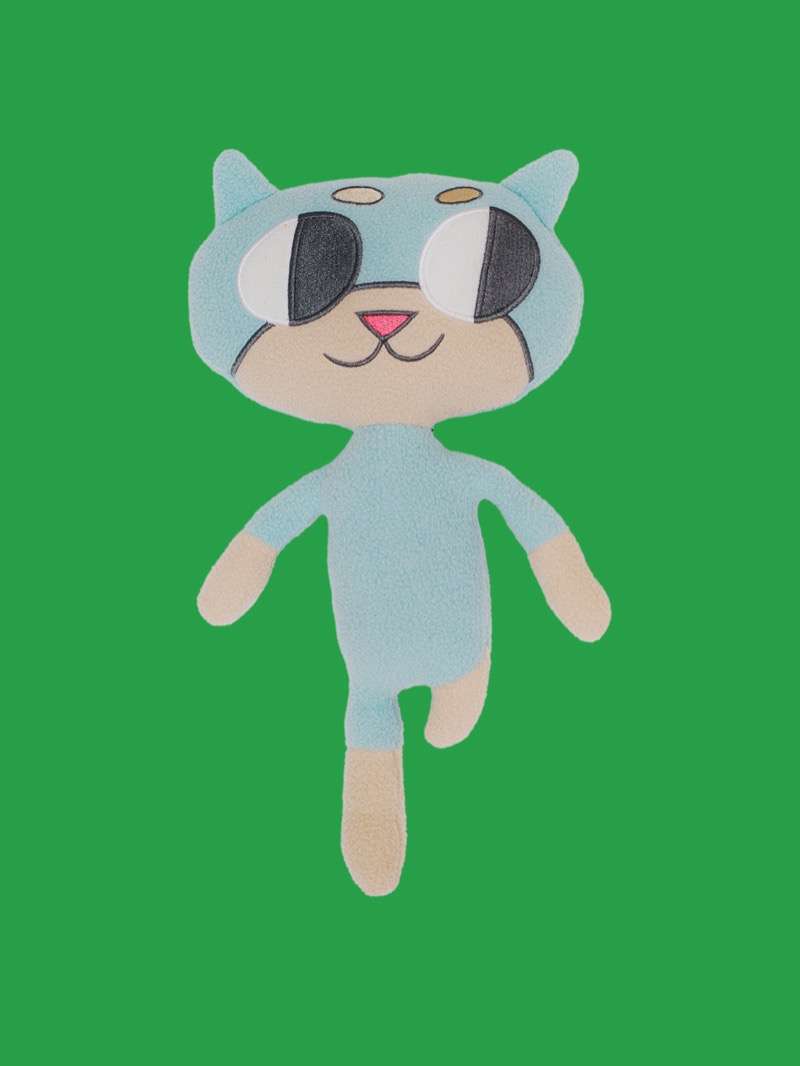
Mayana & Friends is a small Filipino-Canadian family business that makes plush animals with limb differences. The company started when the founder’s child was born with an upper limb difference, and she wanted to create toys that reflect the real world our kids live in. Each character has its own little story, helping families talk about differences in a natural, friendly way.

Gwen’s favorite is Lou the Cat, who has an above-the-knee limb difference and loves exploring outdoors and looking for bugs under logs and rocks. Lou is curious and confident, always learning new things in her own way.

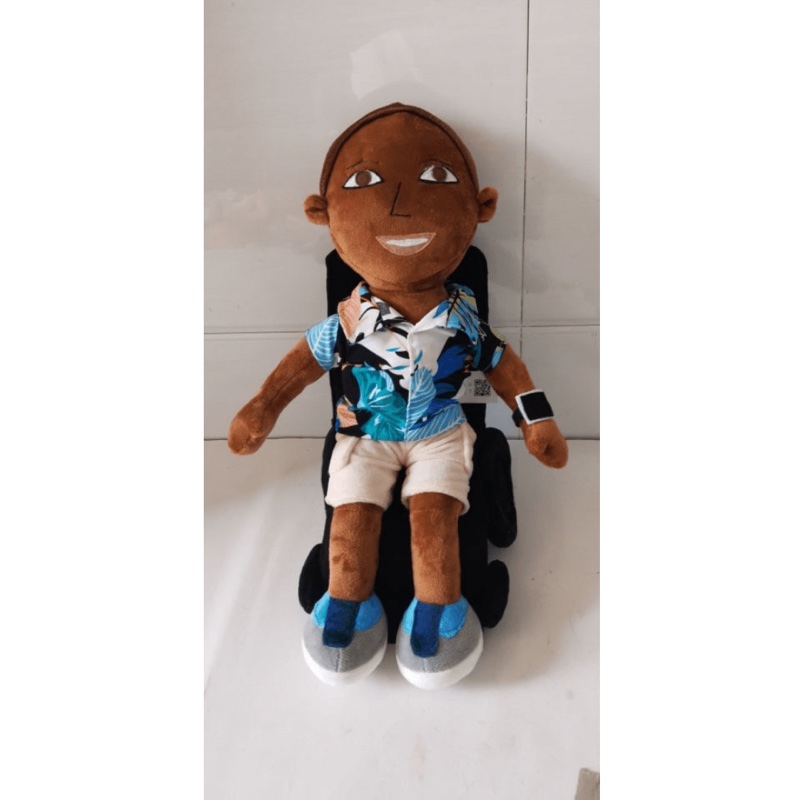
There’s also Dougie, who loves music and makes everyone laugh; Edie, who finds joy in gardening and growing raspberries; Miko, a creative monkey with a knack for art; and Ziggy, a sporty alligator who dreams of the Paralympics. Together they make a world where every character is different, but they all belong.

What’s great about Mayana & Friends is how naturally it fits into playtime. These toys make space for every kind of kid to see themselves and their friends in the stories they imagine.

Budsies

Budsies offers a fun and easy way to create a doll that looks like your child. Their “Selfies” service lets you send in a photo, and their team turns it into a custom plush version, same clothes, hairstyle, and even prosthetic legs.

For kids with limb differences, it’s a simple way to have a toy that truly represents them. You can include any detail you’d like, and the finished doll comes back soft, friendly, and personal. It’s one of those ideas that seems small but can mean a lot when a child sees themselves reflected in something they can hold.

Custom Budsies “Selfies” doll with prosthetic legs
Custom Budsies “Selfies” doll with prosthetic legs.
Close-up details on the prosthetics
Close-up details on the prosthetics.
Side view of the removable prosthetic legs
Side view of the removable prosthetic legs.

Autumn (LEGO Friends)

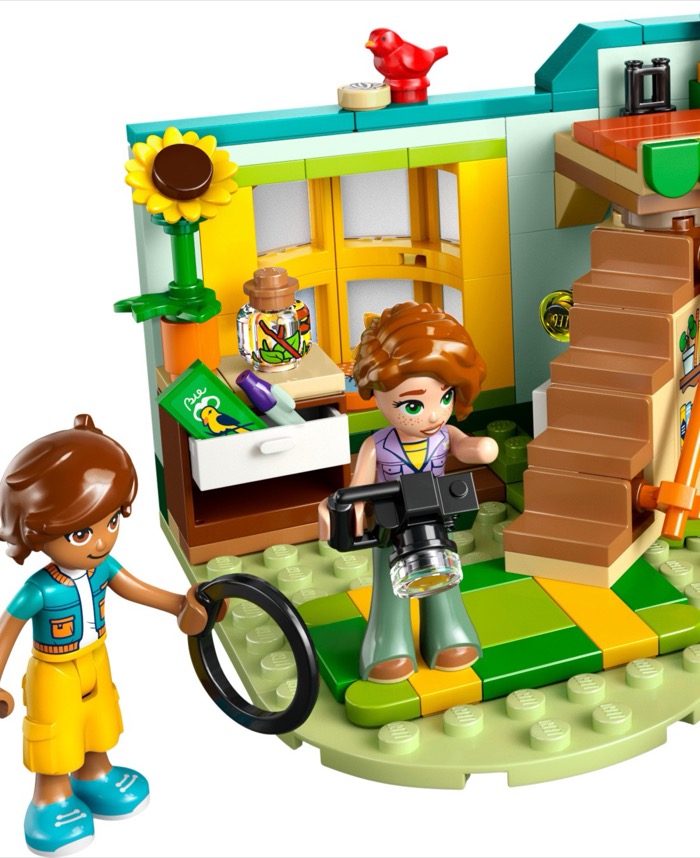
In 2023, LEGO introduced Autumn, one of the new Friends characters, and she’s the first LEGO minidoll with a molded limb difference. Her design includes a visible upper limb difference as part of who she is, not something added or removed later.

Autumn lives on a ranch, spends time outdoors, and loves caring for animals. Her sets, like Autumn’s Room, reflect her interests with things like plants, art supplies, and nature-themed accessories. It’s a nice example of a popular toy line including characters who look a little different without making it the focus of their story.

Our Generation Dolls with Prosthetic Legs (Target)

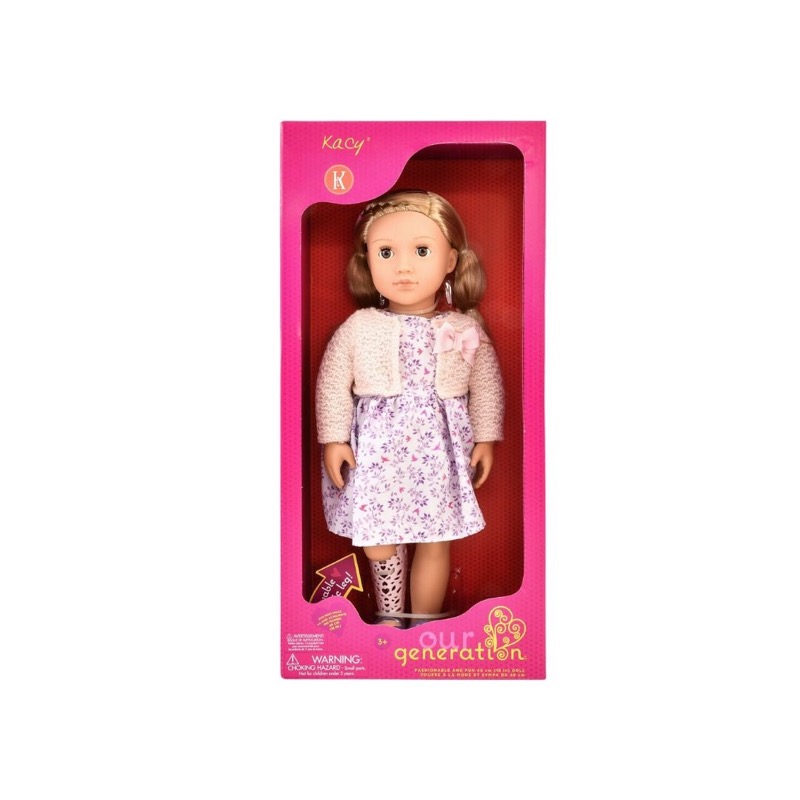
By 2021, Target’s Our Generation line had introduced two 18-inch dolls featuring prosthetic legs, Kacy and Suzee. These dolls were part of Our Generation’s effort to bring more inclusion and representation into their toy line. Both came with a removable prosthetic leg decorated with small heart designs and wore a floral dress with a pink cardigan. Their stories focused on friendship, imagination, and everyday play, showing that limb differences are simply part of life.

Kacy was released around 2020 and has long blonde hair and brown eyes. She came with a detachable prosthetic leg and a bright, friendly personality. Suzee followed in 2021, with a medium skin tone, dark brown hair, and brown eyes. Like Kacy, she included a removable prosthetic leg with heart details and wore the same cheerful outfit.

Although these dolls are no longer in production, they can sometimes be found on eBay and other secondhand resale sites.

Clothing

Mermaid Strides

Mermaid Strides is an Etsy store creating inspiring apparel that celebrates limb differences. Their designs feature unique, kid-friendly characters with prosthetic limbs and other limb differences, helping children see strength and joy reflected in every piece.

Winter Leg Wraps for Prosthetics

We learned pretty quickly that keeping Gwen’s legs warm in the winter was harder than we expected. The first time it became an issue was during a sledding trip. We bundled her up the same way you would any kid with boots, snow pants, and layers. It was very cold, so we did not stay out long, even though she was having a great time.

She never complained while we were outside. But once we got back in the car and it started to warm up, she suddenly let out a painful cry. I pulled over, took her prosthetics off, and her residual limbs were ice cold. After a few minutes they warmed back up and she was okay, but it was scary.

The next winter we went to an outdoor stadium hockey game. This time we layered even more. Multiple pairs of pants, extra insulation, everything we could think of. It was not even that cold outside, but once again, after getting back into the warm car, she cried out in pain. After that second experience, we knew we needed a better solution.

What we realized was that cold air was getting in through the bottom of her pants and straight into her prosthetic sockets. Socks do not come up high enough to help, and once cold air gets into the socket, it stays there. We needed something that would block the air completely.

We started with simple cotton leg warmers and added a drawstring at the bottom so they could be tied like a shoelace and sealed around the bottom of her prosthetics. That helped, and we still send her to school in those on cold days.

We chose to use a winter coat as the starting point because it already solved a lot of problems for us. The fabric was wind resistant, it had insulation, and it already included a lining. The sleeves were also roughly the right shape for what we needed. It ended up being much easier to take something that was already designed for cold weather and modify it than to buy all the materials separately and try to build something from scratch.

We bought a winter coat in a size large enough that the sleeves would fit over her prosthetic legs. We cut the sleeves off, sewed elastic into the shoulder end, and sealed it back up. Then we added a pink ribbon near the bottom of each sleeve so we could tie it in a bow around the bottom of her prosthetics. That seal keeps cold air from getting into the socket.

So far, we have taken her to multiple outdoor events in cold weather without any issues. If your child struggles with cold prosthetics in the winter, this approach might be worth trying.

Finished pink insulated leg wraps designed to go over prosthetic legs
The finished leg wraps.
Gwen wearing the pink insulated leg wraps while sitting on the couch
Getting ready to go see Christmas lights on a cold night.
Materials and process used to make the insulated leg wraps from a winter coat
Making the leg wraps from a winter coat.
Testing fit of the first leg wrap
Testing fit of the first leg wrap.

Home | First Steps | Sports & Activities | Groups & Community | Accessible Playgrounds | Camps & Programs | Travel & Vacations | Limb Difference in Media | Toys & Clothing | Prosthetics & Equipment | Care Teams & Providers